
5 step process for fire door checks

Property owners should follow the 5 steps to checking the safety of their fire doors.

For example, even ensuring that a fire door can easily close properly can potentially save lives. For example, in 2012, a 23-year-old student, Sophie Rosser, could have been saved if it weren’t for a faulty fire door that didn’t close properly in the block of flats in canary wharf. According to research by Fire Door Safety Week, 36% of building occupants admitted to wedging open a fire door or removing the automatic closing mechanism because the door has annoyed them, 20% admitted to leaving the door open, with 46% said they would close it.

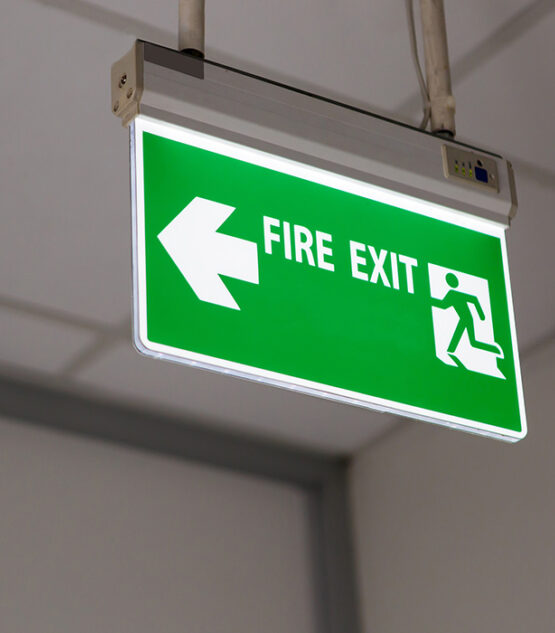
Anyone can perform a 5 step fire door check

75% of fire doors in the UK are judged as unfit for purpose

Fire Door Fitters
Fire Door Fitters

Ensure the safety of your building

According to research by Fire Door Safety Week, 36% of building occupants admitted to

wedging open a fire door

Hannah Mansell, the spokesperson for Fire Door Safety Week, said “We need to up the ante on dire door safety”, “The rates of fire deaths and casualties are reducing, but there are still an average of 25 fatalities or injuries from building fires every day”.

Landlords have a responsibility to ensure the property and its tenants are safe

Fire doors should be Carefully installed by a competent installer

Fire doors are a crucial first line of defence against fires, but are often faulty, over 3/4 of fire doors in the UK are judged as unfit for purpose. Read on to find out how to test for a faulty fire door.

Protect your building

How to check a fire door

Here is a guide detailing how to ensure the performance of your fire doors.

Certification. You are looking for a label usually on the top or side of the door. This guarantees that the door is a fire door. You may find it easier to use a mirror or phone camera to find this.

Gaps. A fire door should have consistently less

than 4mm gaps when closed, with a larger 8mm gap under the door. This is to make sure that smoke and fire cannot travel through the cracks in the door. You can measure this with a 3mm thick £1 coin. Report to whoever manages the building if the gap is deemed insufficient.

Seals. Look for any damaged intumescent seals around the door or frame. Checking them for signs of damage will ensure they are working properly. These seals will need to expand when in contact with heat to stop the fire and/or smoke from getting through the cracks in the door. If you see any damage, report it to the building manager.

Hinges. Check all of the hinges are tight with no missing or broken screws. This is done as it will allow the door to perform properly in the event of a fire and guarantees its functionality. If you find anything out of place, report it to the building manager.

Closing properly. A fire door should close all the way without sticking on the frame or latch. This is important as a fire door only works when it’s closed so ensuring that it’s not wedged open and can close properly is vital. Report to your property owner if there are any issues obstructing the door from closing properly.

Website Design & Digital Marketing by Vector7 Ltd

×
×

Basket